
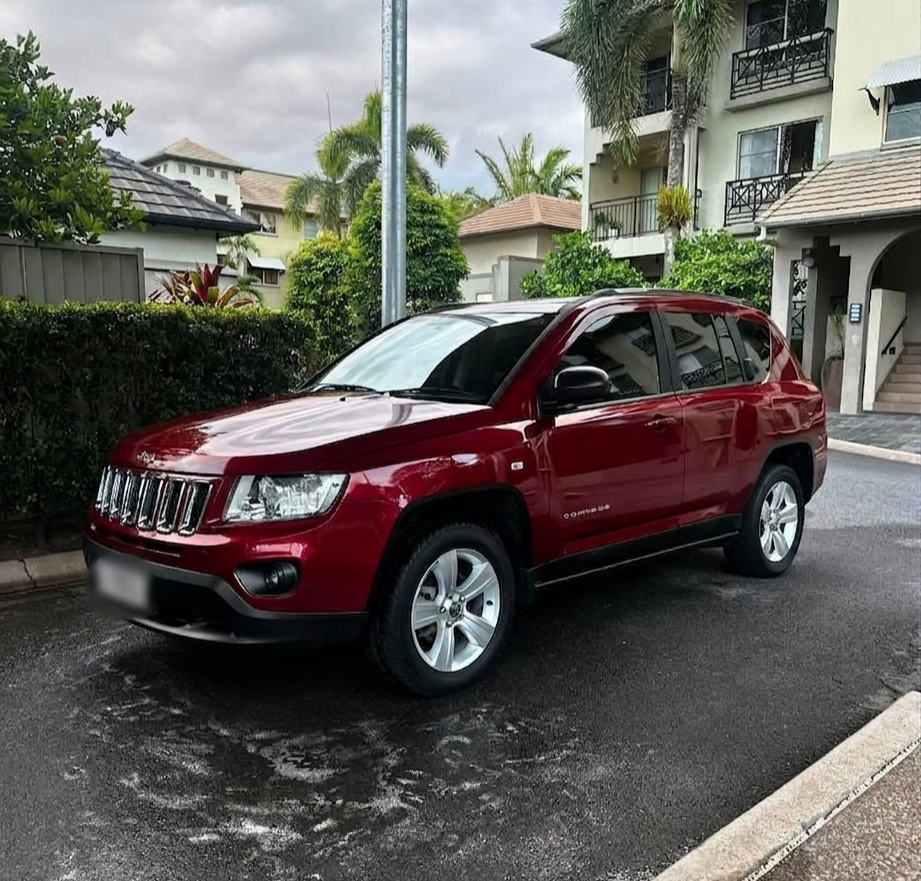
How To Maintain Your Car After Ceramic Coating
A ceramic coating doesn't mean your car is finished being cared for; it means the care just changed shape. Plenty of Cairns owners treat a fresh
ceramic coating in Cairns as a "set and forget" upgrade, only to watch the hydrophobic beading fade within a year because wet-season grime, salt air and the wrong wash habits quietly stripped it back. The coating still needs your input; it just needs the right kind.
The "Set & Forget" Myth
The idea that ceramic coating removes maintenance from the equation is the single biggest reason owners get less life out of their investment than they should. A coating is a sacrificial, ultra-hard layer bonded to the paint; it resists scratches, UV and chemical staining far better than bare clear coat, but it isn't immune to any of them. Left unwashed and unchecked, contaminants still land on the surface, they still bake on under tropical sun and they still degrade the coating's slickness over time.
Think of it less like a one-off purchase and more like a warranty you need to keep active through your own habits. Skip the upkeep and you're not voiding anything formally, but you are shortening the coating's usable life, sometimes by years.
Why Cairns Conditions Are Harder on a Ceramic Coating
Far North Queensland isn't a gentle climate for paint protection.
A few local factors do most of the damage:
- Wet-season road film: Heavy rain doesn't just wash a car, it throws up a fine mix of road grime, brake dust and organic matter that settles into every panel gap and sits there in the humidity.
- Salt air on coastal drives: Anyone driving the Esplanade, out towards Yorkeys Knob, or along the Captain Cook Highway is exposing their paint to airborne salt that accelerates water spotting and mineral etching on a coated surface.
- Tree sap & bird droppings baking under intense UV: Cairns sun is relentless. Sap and droppings that might sit harmlessly for a day in a cooler climate can etch into a coating within hours here, especially on a car parked under trees at work or at home.
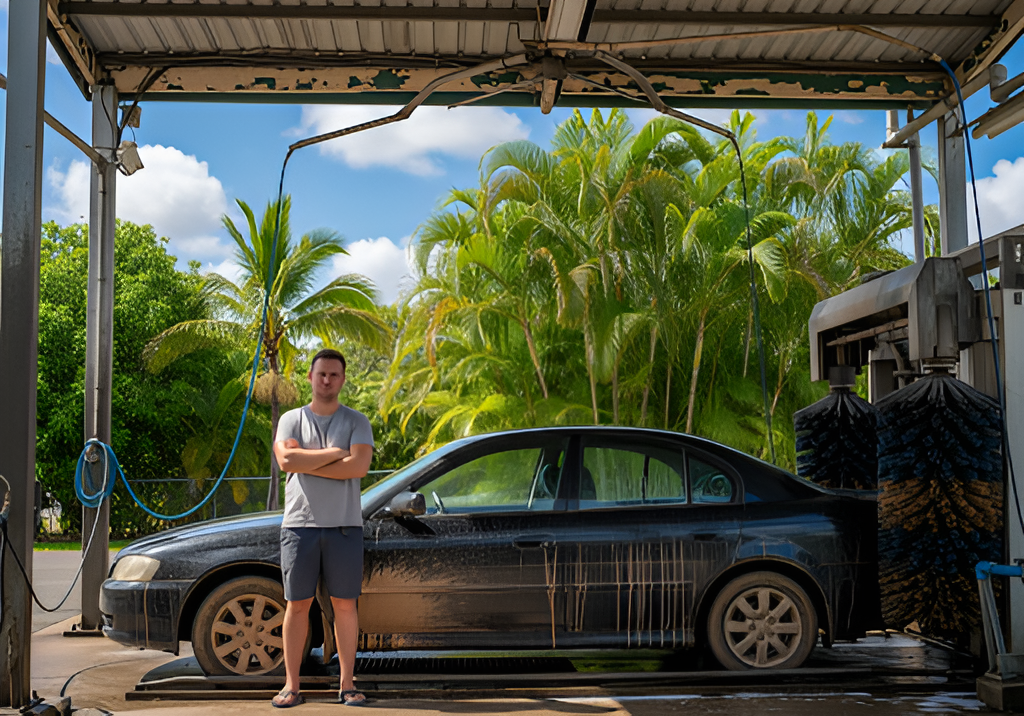
- Automatic car washes with harsh brushes & alkaline detergents: These are one of the fastest ways to undo a professional application. The brushes introduce fine swirl marks and alkaline soaps strip the coating's hydrophobic properties long before the ceramic layer itself fails.
None of this means the coating has failed. It means the environment it's protecting against is genuinely aggressive, and the maintenance routine has to match that.
How to Wash a Ceramically Coated Car the Right Way
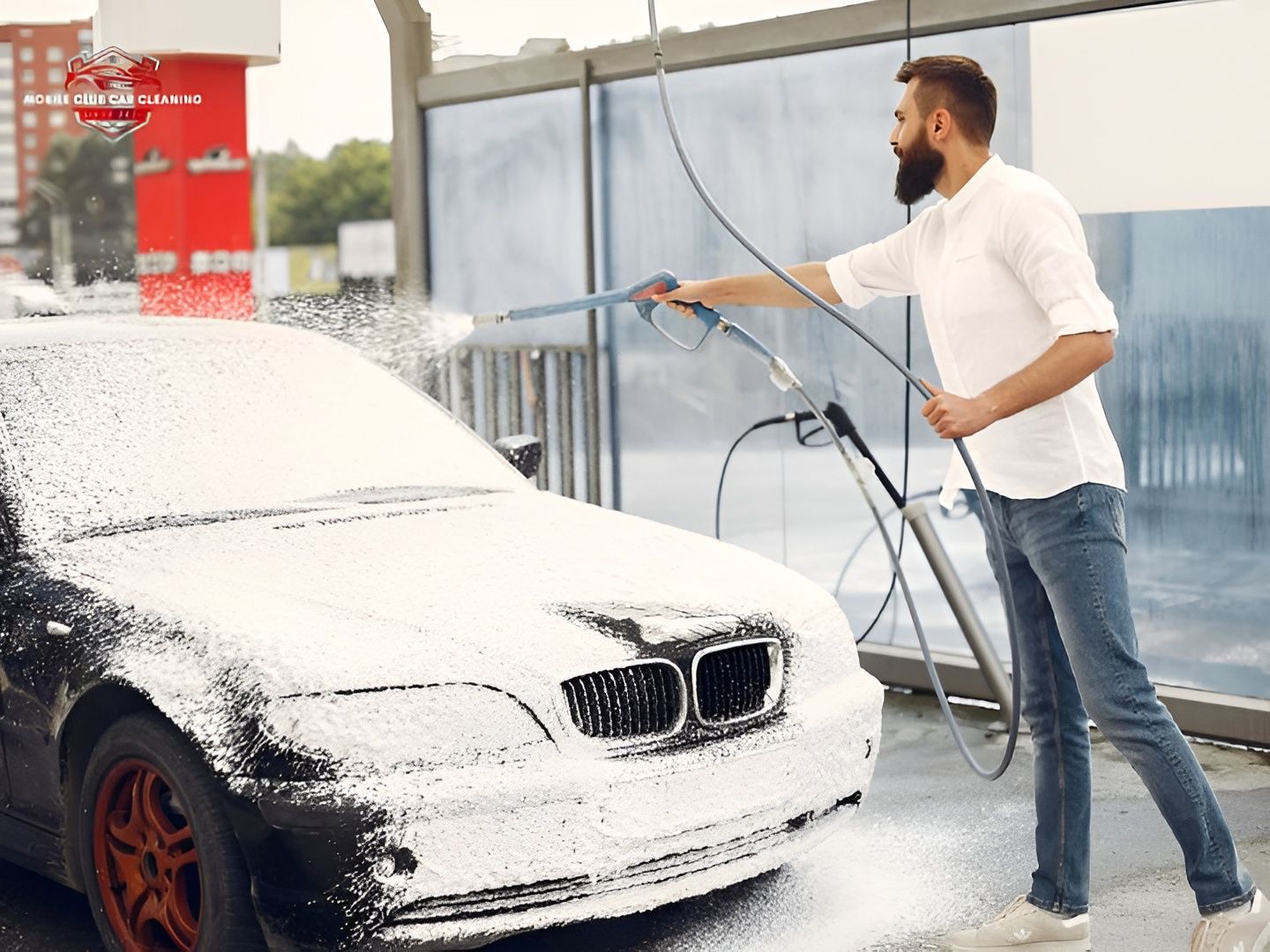
Washing technique matters more after ceramic coating, not less. The two-bucket method is the standard for a reason: one bucket holds clean, pH-neutral shampoo solution, the other holds plain water for rinsing the wash mitt before it goes back into the soap. This stops grit picked up off the paint from being dragged back across the surface on the next pass.
A few non-negotiables:
- Use a pH-neutral, ceramic-safe shampoo; anything alkaline or heavily degreasing will strip the coating's slickness over repeated washes.
- Wash from top to bottom, rinsing the mitt in the second bucket after every panel.
- Dry with a clean microfibre towel or a leaf blower/dryer to avoid introducing water spots, particularly with Cairns' mineral-heavy tap water in some suburbs.
- Never take a coated car through an automatic tunnel wash. The brushes and detergents are exactly what the coating is meant to be protected from.
Hand washing takes longer than a drive-through, but it's the difference between a coating that beads water at three years and one that's gone flat after twelve months.
How Often Should You Wash: Wet Season vs Dry Season
The Cairns wash schedule genuinely needs to flex with the calendar.
Wet season (roughly November to April): wash every 1–2 weeks. Rain doesn't clean a car; it deposits as much as it removes and the combination of humidity and road film sitting on the paint between showers accelerates staining. If the car's been driven through flooding or heavy runoff, a wash sooner rather than later is worth it.
Dry season (roughly May to October): every 2–3 weeks is usually enough, though dust and pollen can build up faster if the car's parked outdoors or near cane fields. The coating itself will still be shedding light contamination well in dry conditions, so this is more about appearance and keeping ahead of anything that could bond to the surface.
Either way, the goal isn't a rigid calendar; it's not letting contamination sit on the coating long enough to bond.
What to Do the Moment Contaminants Land
Sap, bird droppings and insect residue are the biggest threats to a coating's surface between washes, because Cairns heat accelerates how fast they set. A dropping that lands in the morning can be genuinely difficult to remove by the afternoon.
The move is simple: don't wait for wash day. Rinse the spot with water as soon as it's noticed or wipe it gently with a damp microfibre cloth and a spritz of quick detailer if one's on hand. This alone prevents most of the etching that owners later mistake for coating failure.
Regular top-ups of this kind matter more than most owners expect. Booking a regular
mobile car detailing service keeps contaminants off the coating before they have a chance to bond, which is a large part of why so many Cairns owners now build a detailer into their maintenance routine rather than treating it as a once-a-year event.
Signs Your Ceramic Coating's Hydrophobic Performance Is Dropping
A coating doesn't fail overnight; it fades gradually and there are clear signals worth watching for:
- Water stops beading tightly: Instead of forming tall, defined beads, water starts sheeting flat across the panel.
- Beads move slower off the surface: A healthy coating sheds water almost instantly at speed or on a slope; a tired one holds onto it longer.
- The paint looks duller after a wash: your paint job looks more dull, even when it's clean, rather than holding that glassy reflection.
- Contaminants stick more readily: sap, dust and water spots start bonding faster than they used to.
Any one of these on its own isn't cause for alarm. Several together usually mean the hydrophobic top layer has worn thin, even if the underlying protection is still doing some work.
Protecting the Investment: Maintenance Detailing & Top-Up Coats
Washing at home handles the day-to-day, but it isn't a substitute for periodic professional attention. A maintenance detail, decontamination, clay or chemical decon where needed and a proper inspection of the coating's condition, picks up on bonded contaminants and early wear that a home wash won't touch. From there, a top-up coat replenishes the hydrophobic layer and extends the working life of the original application, often for a fraction of the cost of a full recoat.
This is where a mobile setup genuinely earns its place. There's a reason so many owners now choose mobile car detailing over a workshop: the car never has to leave the driveway, there's no drop-off logistics and a maintenance detail can be booked around a normal week rather than around a workshop's schedule. For a service designed to protect an investment, removing every excuse to put it off is part of the point.
A properly maintained
ceramic coating in Cairns can comfortably outlast its rated lifespan. The coatings that fail early almost always have the same story: automatic washes, ignored contamination and months without a proper inspection. None of that is a flaw in the product. It's a maintenance gap and it's an easy one to close.
Frequently Asked Questions
How often should I wash my car after ceramic coating in Cairns?
Every 1–2 weeks during wet season and every 2–3 weeks during dry season is a good baseline, adjusted for how much the car is parked outdoors or driven through coastal salt air.
Can I use an automatic car wash on a ceramic-coated car?
No. Automatic tunnel washes use brushes and alkaline detergents that introduce fine scratches and strip the coating's hydrophobic properties well before its rated lifespan.
What's the correct way to wash a ceramic-coated car?
The two-bucket method with a pH-neutral shampoo, rinsing the wash mitt between panels and drying with a clean microfibre towel to avoid water spots.
How do I know if my ceramic coating is wearing off?
Watch for water sheeting instead of beading, slower water shedding, a duller finish after washing and contaminants sticking more easily than before.
Do I need a top-up coat, or a full recoat?
Most coatings only need a top-up every 12–18 months to refresh the hydrophobic layer. A full recoat is generally only needed if the coating has failed extensively or the paint has been resurfaced.
Does tree sap or bird droppings actually damage a ceramic coating?
Yes, particularly in Cairns heat, where these contaminants bake onto the surface quickly. Rinsing or wiping them off as soon as they're noticed prevents most of the etching that would otherwise occur.