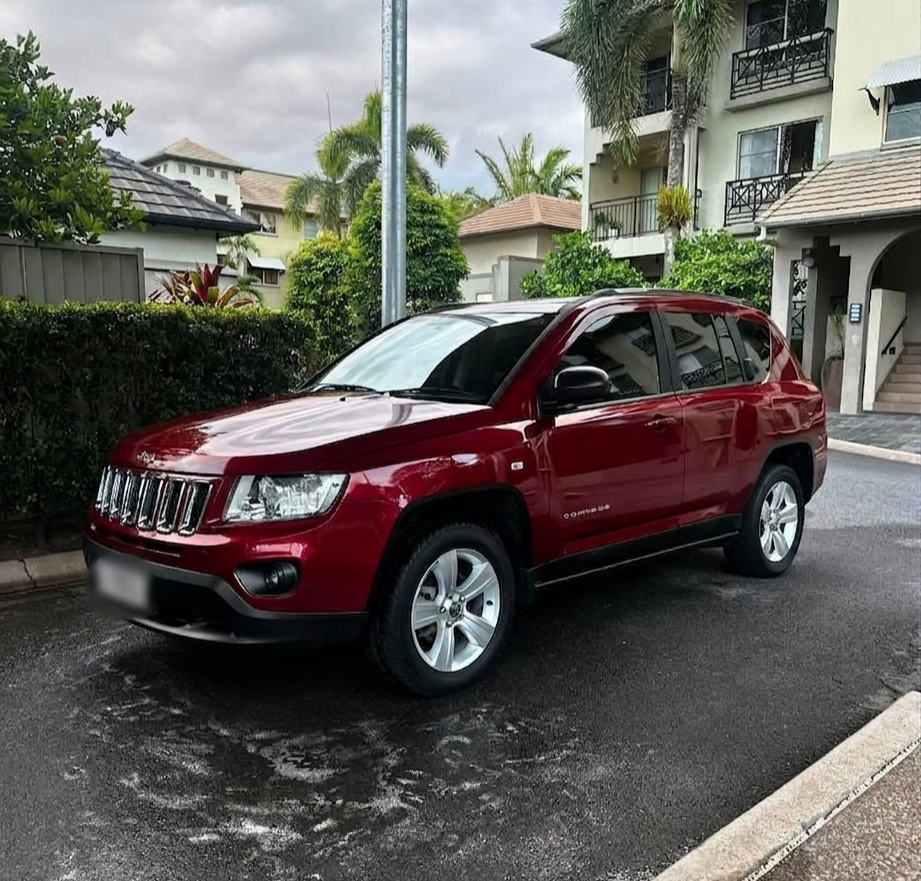
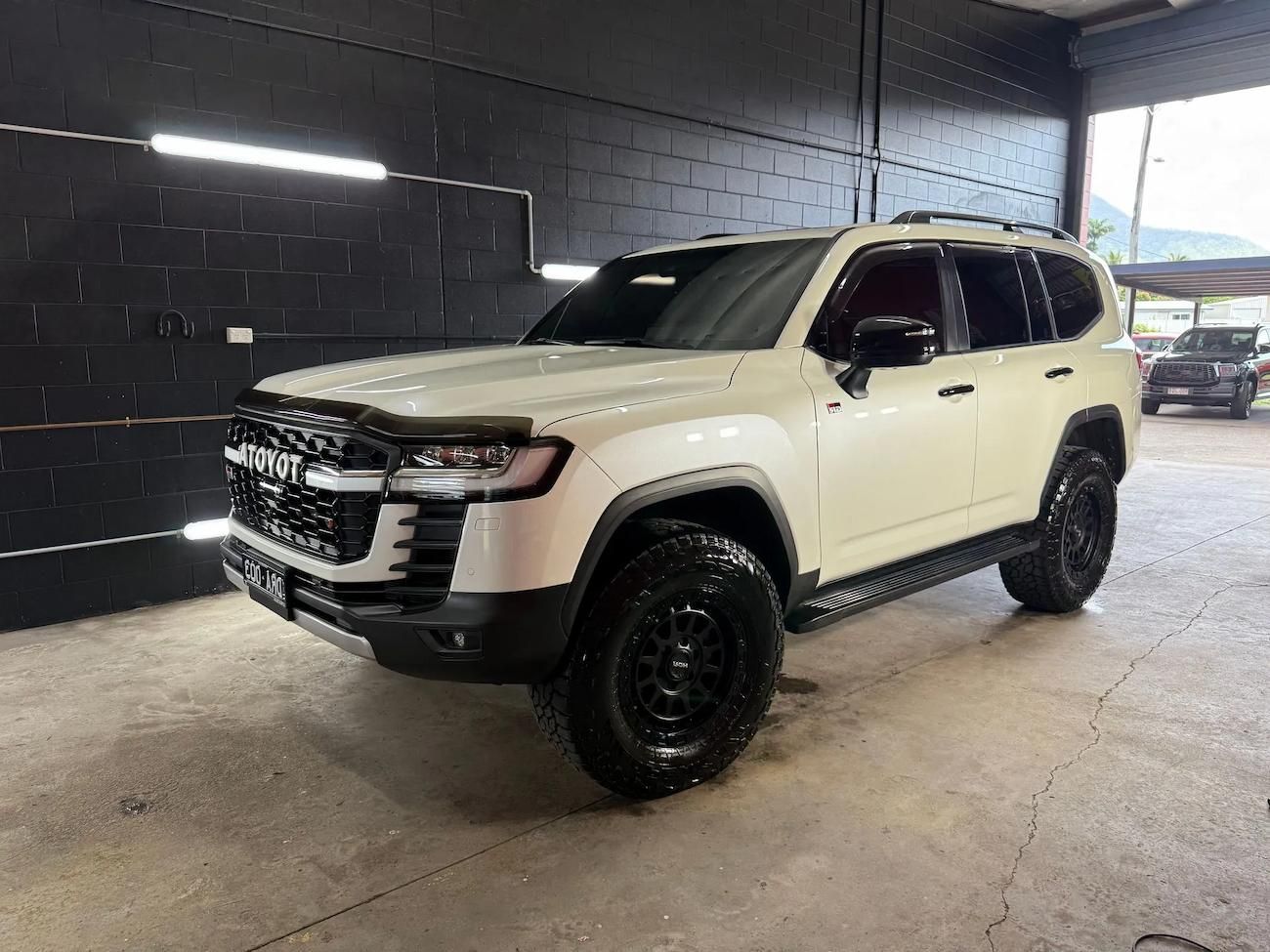
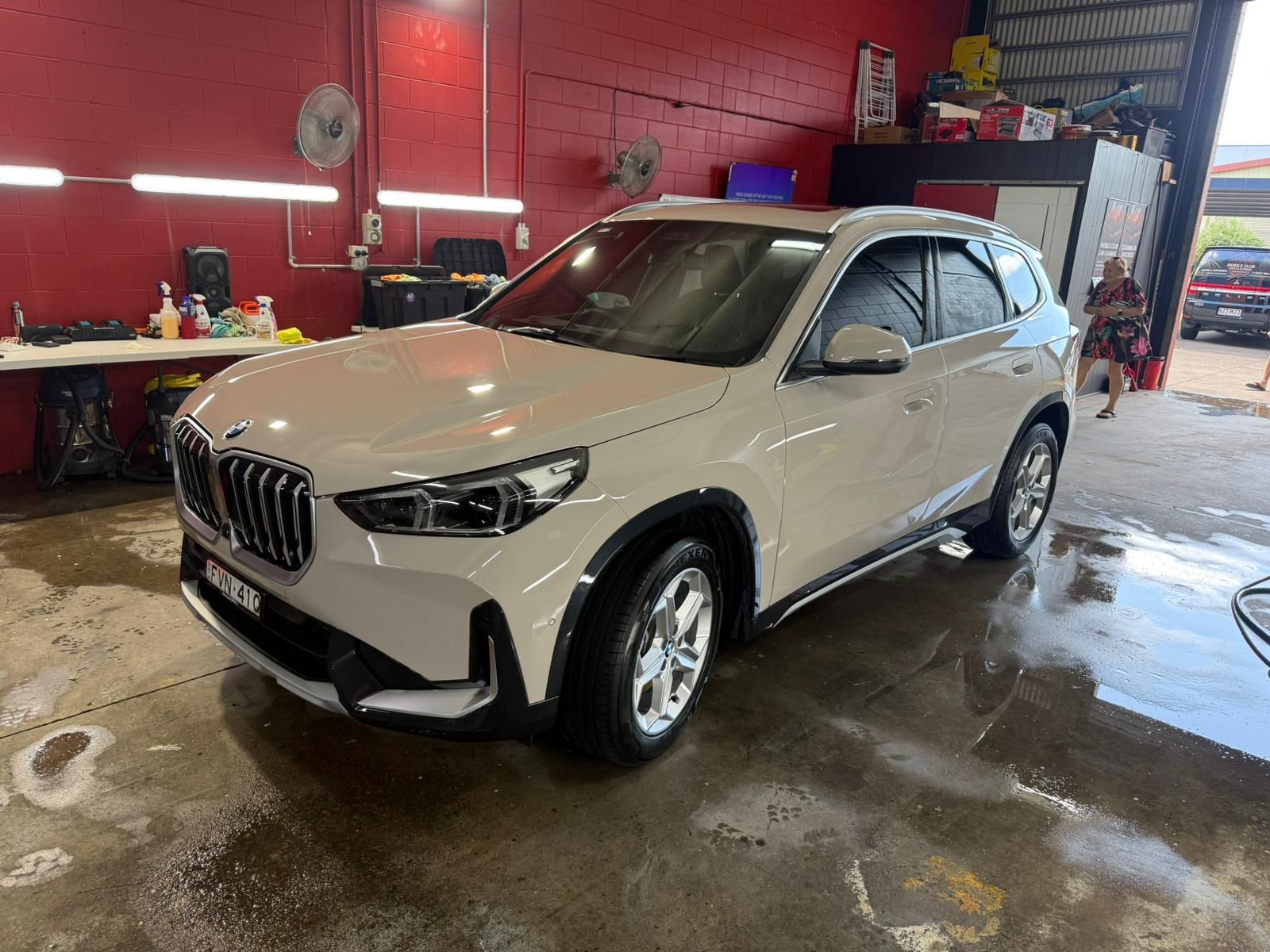
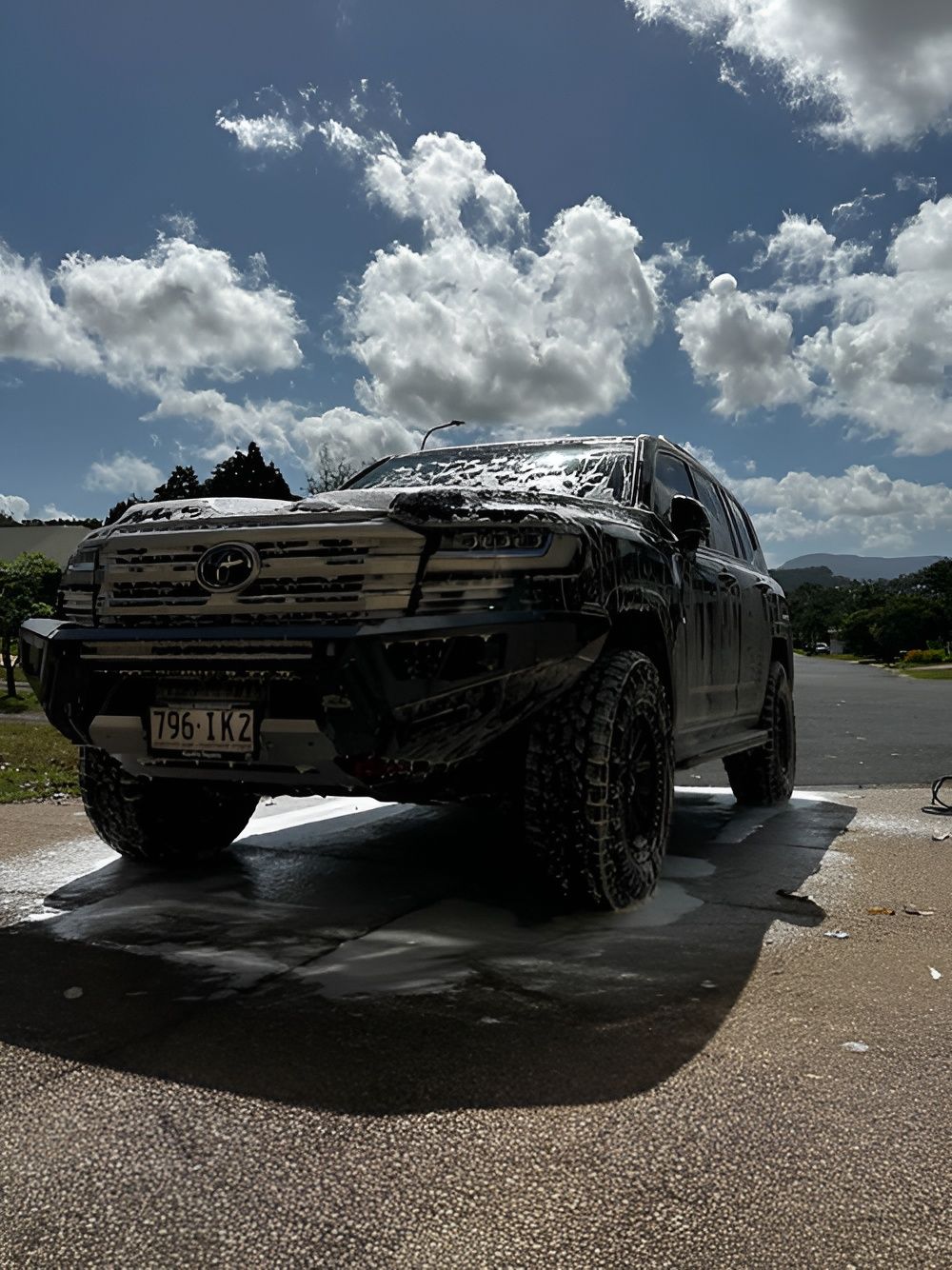
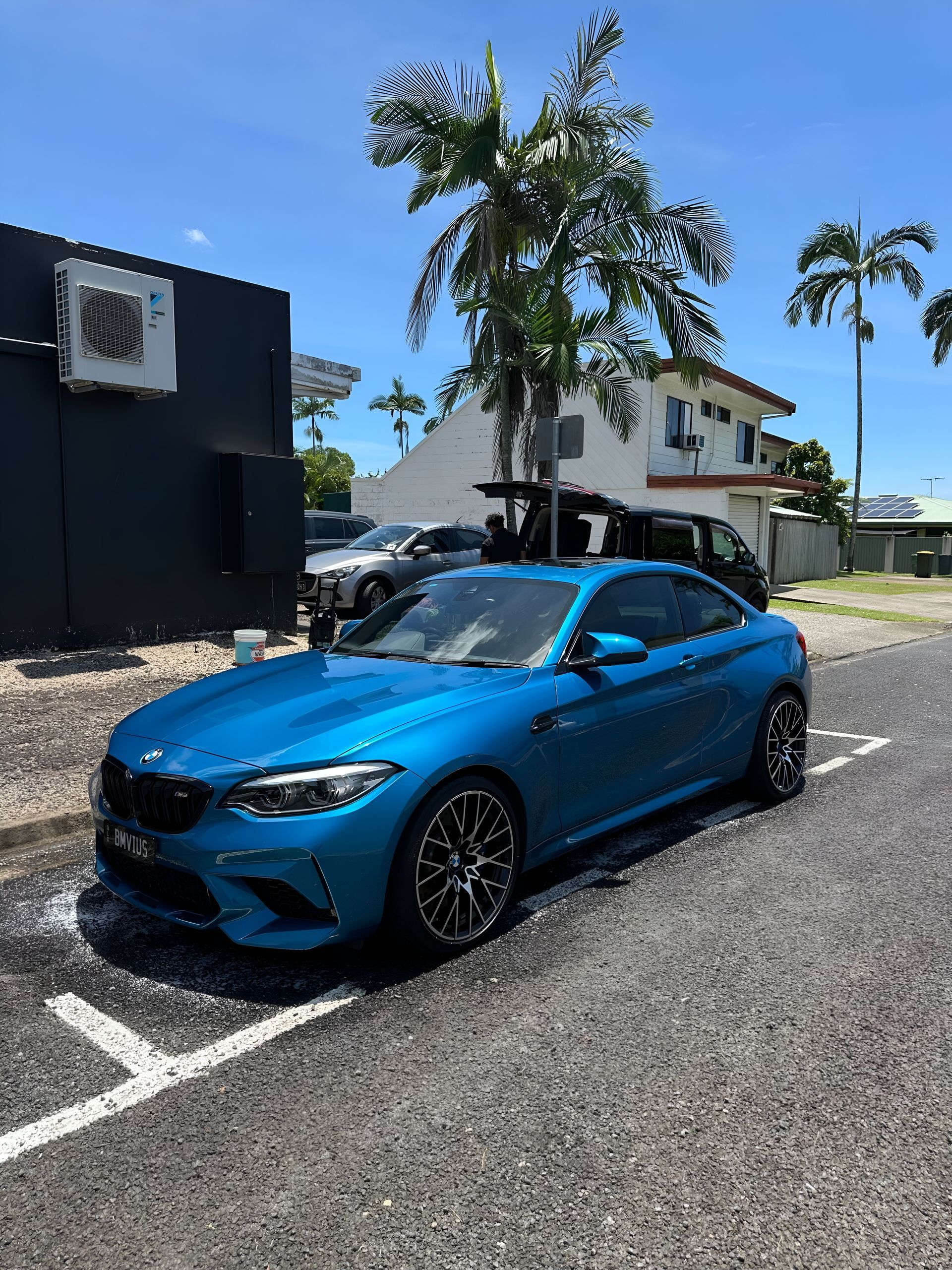
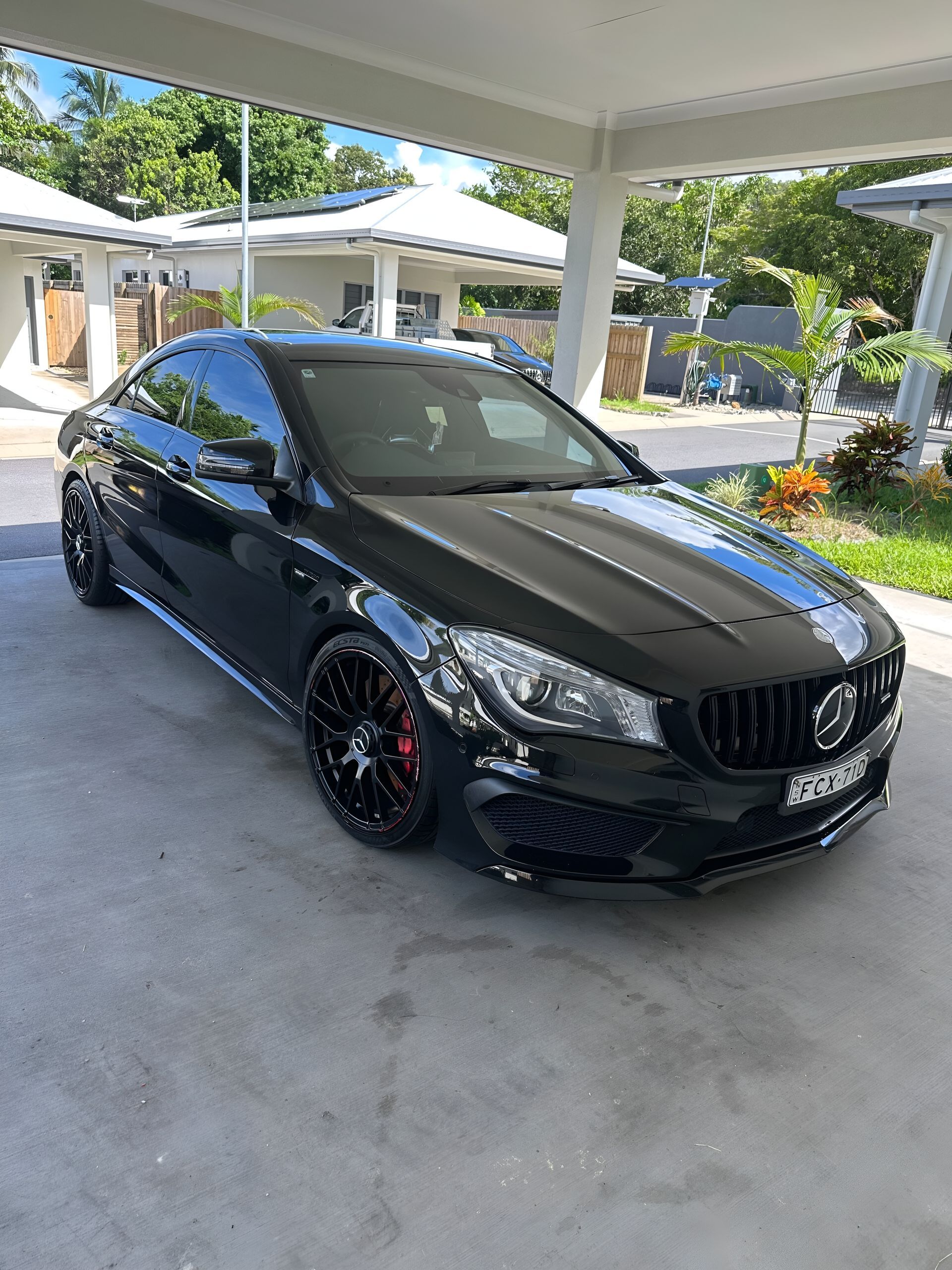
Park a car in Cairns for six months without protection and you will see the difference on the bonnet before you see it anywhere else. The sun bleaches the clear coat, the humid coastal air leaves a faint film that never quite washes off and the first proper wet-season downpour cuts tracks through the dust and grime.
Most guides talk about paint protection in general terms, as if a car in Cairns faces the same conditions as one in Melbourne or Adelaide. It doesn't. Three things work on Far North Queensland vehicles at once: intense UV exposure, salt-laden coastal air and monsoon-strength rain and together they age paintwork faster than in almost any other Australian climate. The
ceramic coating Cairns residents choose is built to answer each of these stressors directly, not just to add a generic layer of shine.
Cairns Weather & What It Actually Does to Car Paint
Cairns sits in a tropical zone, which means the paint on your car is doing more work than most owners realise. Heat, humidity and salt air don't just sit on the surface, they interact with the clear coat over time and gradually break down its structure.
- UV radiation breaks down the resins in factory clear coat, leading to fading & a chalky texture over a few years
- Salt particles carried on coastal breezes settle into microscopic imperfections in the paint & encourage oxidation
- Heavy wet-season rain carries dust, tannins & road grime that etch into unprotected paint if left to dry on the surface
None of these issues are dramatic on their own. It's the combination, repeated daily, that adds up to visible damage most owners only notice once it's already happened.
UV Exposure & the Slow Fade Most Owners Don't Notice
Far North Queensland gets some of the highest UV index readings in the country for a large part of the year. Factory clear coat offers some protection, but it wasn't engineered with tropical exposure in mind.
- Continuous UV exposure oxidises the clear coat, leading to a dull or chalky finish, particularly on horizontal surfaces like the bonnet & roof
- Dark-coloured vehicles absorb more heat, which speeds up the breakdown of paint pigments underneath the clear coat
- Ceramic coating forms a UV-resistant barrier that sits on top of the factory paint, reducing the amount of radiation reaching the pigment layer
The result is a finish that holds its depth of colour for longer, rather than fading unevenly across panels that get the most sun.
Salt Air & the Slow Corrosion Along the Coast
Anyone driving regularly along the Cairns Esplanade, up to Port Douglas or out towards the northern beaches knows the air feels different close to the water. That salt content settles on every exposed panel, whether the car is moving or parked.
- Salt residue is mildly corrosive & if left on paint for extended periods, can contribute to surface pitting & clear coat degradation
- Chrome trim, badges & exposed metal fittings are particularly vulnerable to salt-related corrosion over time
- A
ceramic coating creates a smooth, non-porous surface that makes it harder for salt particles to bond to the paint, so a regular rinse removes far more of the residue than it would on bare paint
For coastal commuters, this is less about one bad drive and more about the cumulative effect of dozens of short coastal trips a month.
Monsoon Rain, Water Spotting & Wet-Season Grime
Wet season in Cairns is not gentle rain. It's heavy, frequent and often followed by intense sun that bakes whatever was on the paint straight into the clear coat.
- Rainwater carries dust, pollen & minerals that leave water spots once the droplets evaporate under UV exposure
- Road grime kicked up during downpours tends to be more acidic in tropical regions due to organic matter breakdown
- A hydrophobic coating causes water to bead & roll off rather than sitting flat on the surface, reducing the time contaminants have to settle in
Owners who commute through wet-season storms often notice the biggest before and after difference here, simply because untreated paint holds onto moisture far longer than a coated surface does.
How Ceramic Coating's Hydrophobic Layer Actually Works
The term hydrophobic gets used loosely, so it's worth explaining what it means on a physical level. Ceramic coating is a liquid polymer that chemically bonds to the factory paint, forming a hard, glass-like layer at a molecular level rather than sitting on top like a wax.
- Water forms tight beads on the surface instead of spreading out, which is why coated cars often look almost dry moments after a shower
- Dirt & grime have less surface area to grip onto, so a lot of it rinses away with plain water pressure rather than needing to be scrubbed
- The coating also adds a layer of scratch resistance against fine swirl marks from regular washing, which matters given how often Cairns cars need a wash to begin with
This is the mechanism behind most of the before and after results owners notice, not a marketing claim but a straightforward chemical property.
Parked at Work All Day: A Realistic Before & After
Consider a typical scenario: a ute or sedan parked outdoors in a work car park from 7am to 5pm, five days a week, with no shade. Over a Cairns summer, that's a serious amount of direct UV and heat exposure with no reprieve.
- Before coating, owners often report a noticeable dulling of the paint within twelve to eighteen months of daily outdoor parking
- After coating, the UV-resistant layer slows this fading process & the surface becomes easier to clean
- Panels that face west, catching the harshest afternoon sun, tend to show the clearest difference between & uncoated vehicles over time
It's not that the car stops ageing altogether. It's that the rate of visible deterioration slows down considerably.
Coastal Drives Without the Lingering Salt Residue
A weekend drive up to Port Douglas or along the Captain Cook Highway is one of the better reasons to own a car in this part of the world, but it's also a direct exposure event for the paintwork.
- Before coating, a coastal drive often leaves a faint salt film that requires a proper wash within a day or two to avoid staining
- After coating, the same drive leaves less residue clinging to the surface & what does settle tends to rinse off more easily with a standard hose
- Regular coastal drivers often find they can extend the gap between full details without the paint looking neglected
Wet-Season Commutes Made Genuinely Easier to Maintain
The daily grind of driving through wet-season downpours to and from work is where a lot of owners start to notice their car looking tired faster than expected.
- Before coating, water spots & dried grime build up along lower panels & wheel arches within days of steady rain
- After coating, the hydrophobic surface sheds most of that moisture & grime during the drive itself, meaning less sits & dries onto the paint
- A quick rinse after a wet-season storm tends to bring a coated car back to a clean-looking state far faster than an uncoated one
Getting Ceramic Coating Without Needing a Garage
If you're searching for
ceramic coating near me and comparing options in Cairns, one practical consideration is how the coating gets applied. A proper application requires a clean, controlled environment and enough drying time for the coating to cure correctly, which is why a mobile service that comes to your home or workplace tends to suit Cairns lifestyles better than a drop-off arrangement.
We at Mobile Club Cars Cairns apply ceramic coating on-site, so there's no need to find a garage or take time off to sit in a waiting room. Whether your car spends its days parked at a work site in the CBD, driving the coastal roads towards Port Douglas or sitting through wet-season storms on your driveway, a coating applied by someone who understands Far North Queensland conditions makes a genuine difference to how the paint holds up over the years. If you're ready to talk through what your vehicle needs,
get in touch with us and we'll walk you through the process and what to expect.