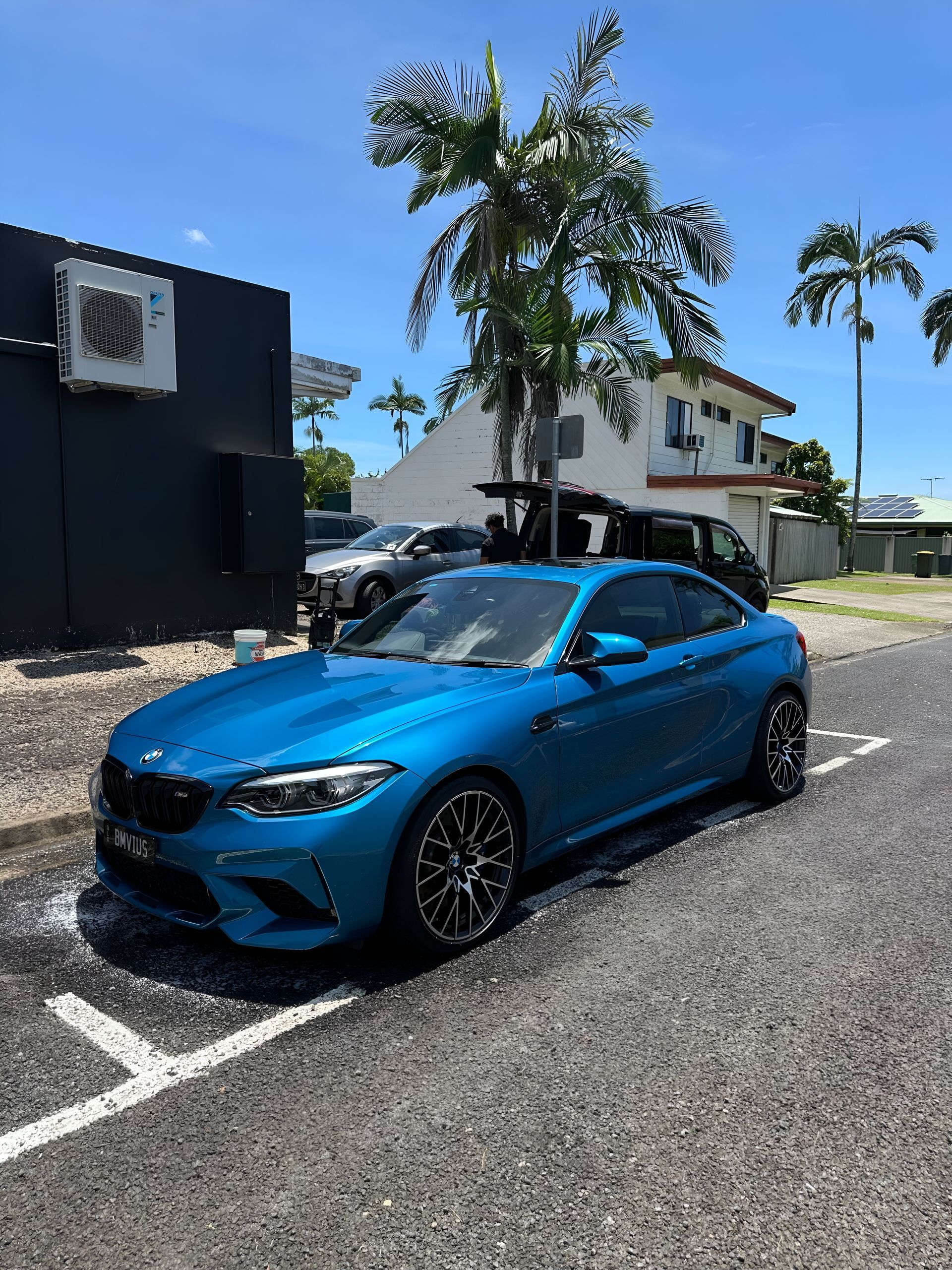

Ceramic Coating In Cairns Vs Ppf: Which Protection Suits You?
Neither option is simply "better". Paint protection film (PPF) is built to absorb physical impact like stone chips, while a quality ceramic coating in Cairns targets the threats your car faces every single day: harsh UV, bird droppings, tree sap and acidic water spotting. Plenty of owners end up combining both.
At
Mobile Club Cars Cairns, we find the right choice depends on how and where you drive. A car that sits in a Smithfield driveway and runs to the city each day has very different needs from one that regularly heads up the range to Atherton or racks up kilometres on the Bruce Highway. Below, we break down what each product actually does, which lasts longer, and whether you can layer a coating over film.
What is the difference between ceramic coating and PPF?
The ceramic coating vs PPF question comes down to how each product protects your paint. Ceramic coating is a liquid that chemically bonds to your clear coat and cures into a thin, hard, glass-like layer. Paint protection film is a clear, thick urethane sheet that an installer cuts and stretches over each panel. One works at a chemical level; the other works as a physical shield.
That difference in thickness drives everything else. A coating is far too thin to stop a flying stone, but it resists chemicals, UV and contamination exceptionally well. Film can soak up an impact, but on its own it doesn't give you the slick, self-cleaning surface a coating does.
| Ceramic coating | Paint protection film | |
|---|---|---|
| What it is | Liquid coating that bonds to the clear coat | Clear urethane film applied over panels |
| Main strength | UV, chemical etching, water spotting, easy cleaning | Stone chips, gravel rash, light scuffs |
| Coverage | Full body, every painted panel | Usually high-impact zones; full body costs far more |
| Finish | Deep gloss, strongly hydrophobic | Clear or satin; gloss depends on the film |
| Stops rock chips? | No | Yes, within its limits |
What does ceramic coating in Cairns protect against?
Cairns paint doesn't usually die from one big hit. It dies slowly, from a hundred small attacks: tropical UV fading the clear coat, fruit bat and bird droppings baking onto the bonnet, sap dripping from fig and mango trees, and hard water spots etching in after every afternoon storm. That's exactly what a modern ceramic coating is engineered to resist.
At Mobile Club Cars Cairns, we apply two Magnum coatings, and we're the only Magnum Accredited Installer in the region:
- Luminous X (borophene): a boron-infused coating with SGS-verified 10H hardness, a 120° water contact angle and a 10-year Magnum warranty. It's the strongest option for UV and chemical resistance, and no one else in Cairns applies it.
- Obsidian S1+ (graphene): a refined graphene formula with 10H hardness, a 118–120° water contact angle and a 7-year Magnum warranty, tested through more than 800 simulated wash cycles.
That water contact angle matters more than it sounds. At 118 to 120 degrees, water forms tight beads that roll off rather than sitting flat and drying into mineral spots. Droppings and sap also struggle to grip the slick surface, so they lift off with a normal wash instead of etching in. We've explained
how ceramic coating protects your car from Cairns weather in more detail if you want the full picture.
When does PPF make more sense?
PPF earns its place when physical impact is the bigger risk. If you regularly sit behind trucks on the Bruce Highway, drive the Kuranda or Gillies ranges, or head onto gravel roads around the Tablelands, your front end cops a steady spray of stones. A coating can't stop those chips. Film can.
For that reason, most owners who choose film don't wrap the whole car. They protect the high-impact zones only:
- Front bumper and bonnet leading edge
- Front guards and mirror caps
- Rear of the side skirts and behind the wheel arches
- Door cups and door edges
Film is a specialist install in its own right. If your driving calls for it, have it fitted by a dedicated PPF installer, then pair it with a ceramic coating so the rest of the car gets the same level of protection.
Is PPF better than ceramic coating?
In the paint protection film vs ceramic coating debate, PPF is better at stopping stone chips. Ceramic coating is better at protecting against UV, chemical etching and water spotting, and it makes the whole car dramatically easier to keep clean. So the honest answer is that each wins in its own lane.
For a Cairns daily driver, the everyday threats usually do more cumulative damage than the occasional chip. Sun fade and etched water spots affect every panel, every day, whereas chips concentrate on the nose. That's why, according to industry best practice, a full-body coating is the foundation for most vehicles, with film added to the front end only where driving habits justify it.
Cost plays a part too. Full-body film is a significant investment, while our Ceramic Protection Package currently starts from $1,200 for the whole vehicle. Many owners find a coating covers most of what they actually need, then decide on film based on how often they hit the highway.
Which lasts longer, PPF or ceramic coating?
A professionally applied, warranty-backed ceramic coating can match or outlast many films. Luminous X carries a 10-year Magnum warranty and Obsidian S1+ carries 7 years, both registered to your vehicle and honoured nationwide. Film lifespan varies widely by brand and grade, so always check the specific warranty you're offered.
In practice, longevity depends on three things for both products:
- Preparation. A coating locks in whatever is underneath it, so paint correction before application is critical. Film needs equally clean, defect-free paint to adhere properly.
- Exposure. Garaged cars outlast those parked outdoors under Cairns sun year-round. Film edges also tend to lift or collect grime faster in heat and humidity.
- Maintenance. Harsh chemicals, automatic car washes and abrasive tools shorten the life of both. Our tips on
caring for a coated car explain how to get the full life out of the coating.
Can you put ceramic coating over PPF?
Yes, and it's one of the most effective combinations available. The film absorbs stone strikes on the front end, while the coating over the top adds UV and chemical resistance, deep gloss and that easy-wash hydrophobic surface.
Without a coating, film can stain, yellow or hold onto grime more readily.
The order of work matters:
- Correct the paint first, so no swirls or defects get sealed under film or coating.
- Install the film on the chosen panels and let it settle as the installer advises.
- Coat the entire car, film and paint alike, so every surface has the same protection and finish.
If you're planning both, mention the film when you book your coating. That way your detailer and film installer can sequence the paint correction, film and coating in the right order, and rushed work won't put either warranty at risk.
Which paint protection in Cairns suits your car?
Start with how you drive, not with the product. For most daily drivers, a professional ceramic coating in Cairns handles UV, sap and water spotting without the cost of full-body film. Add film only where your routes put real stone-chip risk on the front end.
Example 1 — the city commuter. A new Mazda CX-5 owner in Edge Hill drives to work in the CBD and parks under trees at the school pick-up. Chips are rare, but sap, droppings and water spots are constant. A full-body Obsidian S1+ coating covers the real risks at a fraction of the cost of film.
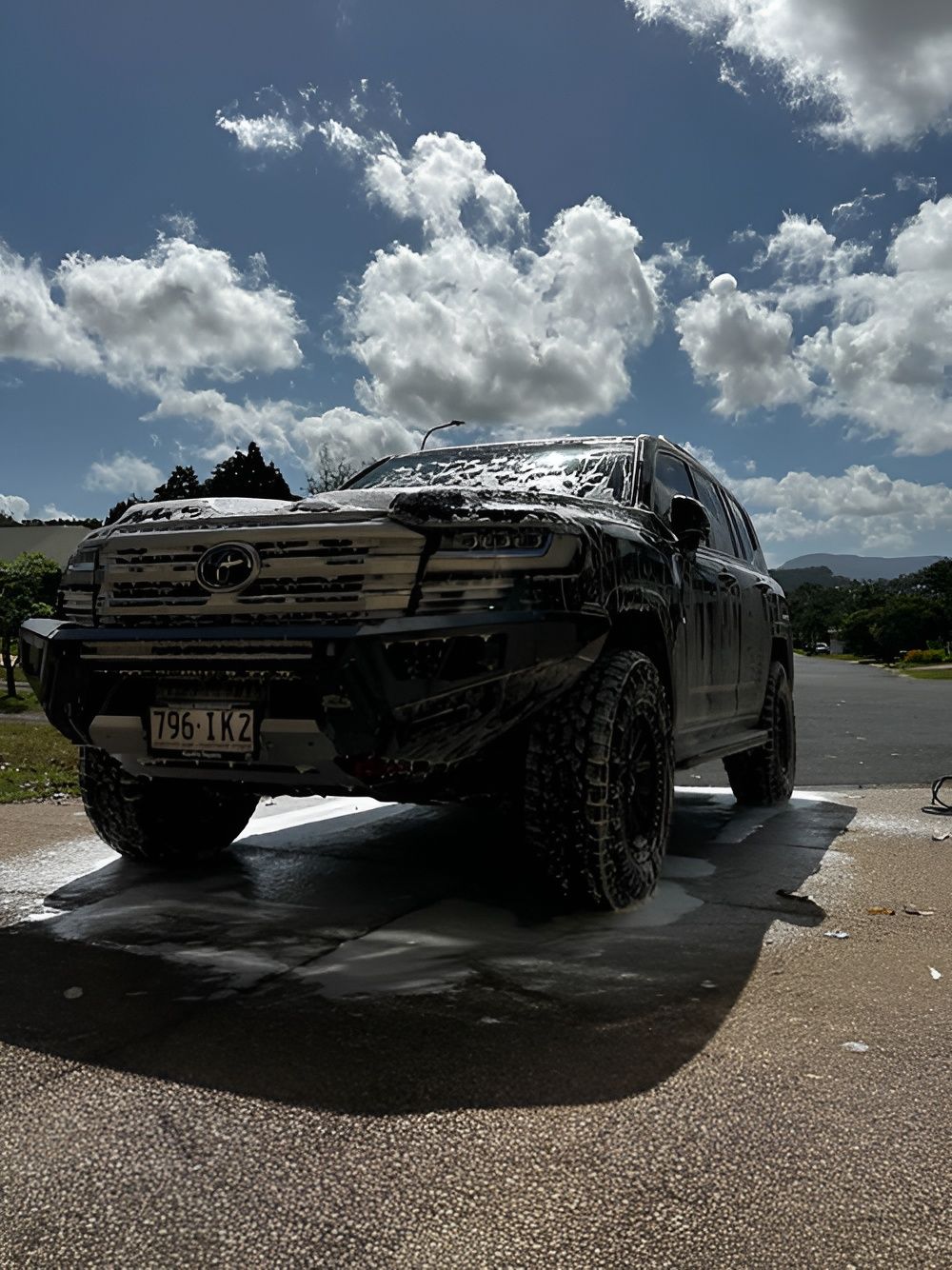
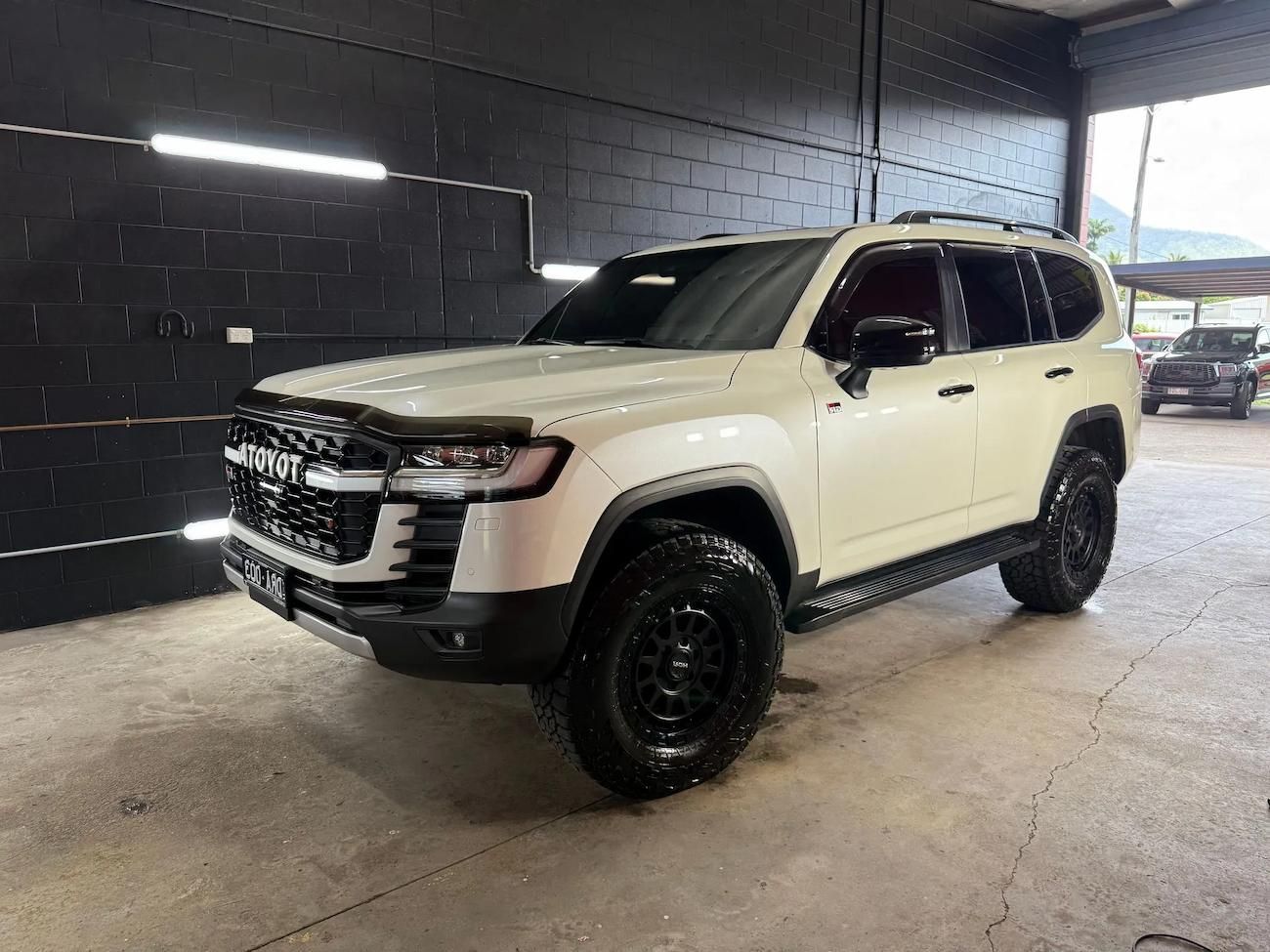
Example 2 — the Tablelands regular. A Toyota LandCruiser 300 owner in Gordonvale tows to Atherton most weekends and drives gravel to camp sites. The nose takes regular stone hits. Front-end PPF, then a full-body Luminous X coating over film and paint, gives impact protection plus the strongest UV and chemical resistance.
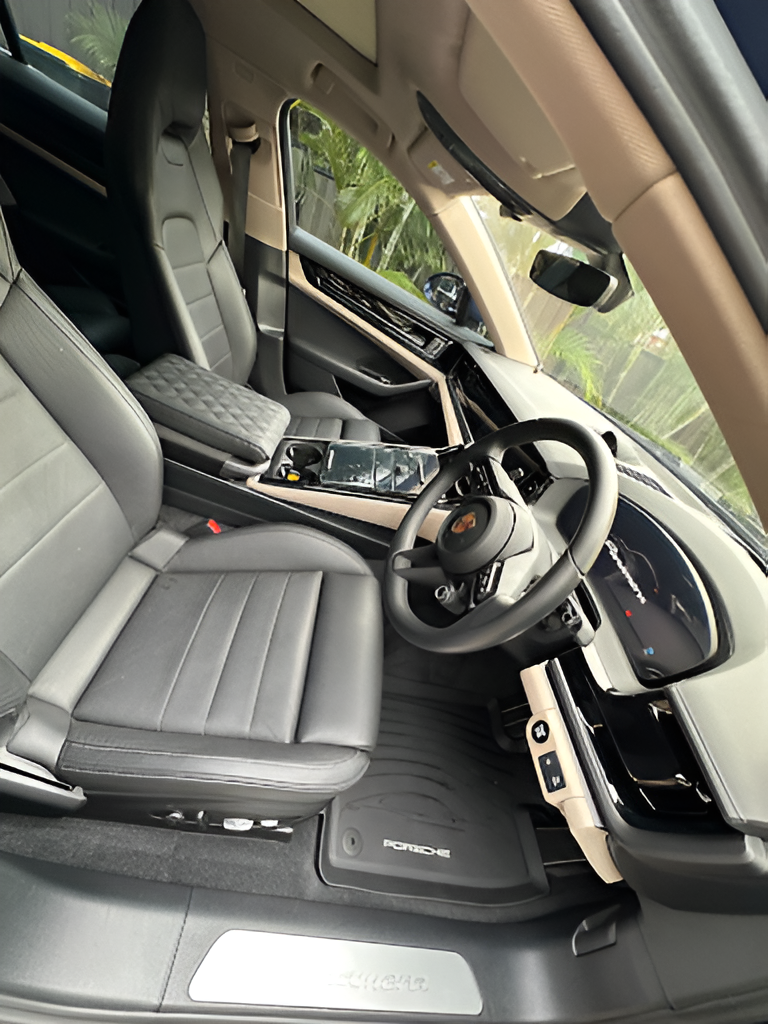
Example 3 — the weekend prestige car. A garaged Porsche 911 comes out for coastal drives to Port Douglas. A Luminous X coating keeps the gloss deep and the paint protected, with film on the bonnet edge and bumper as optional extra insurance.
Whichever path you choose, our
Magnum ceramic coating package includes a manufacturer warranty registered to your vehicle.
Book your ceramic coating in Cairns with
Mobile Club Cars Cairns, and we'll assess your paint, talk through your driving, and tell you honestly whether film is worth adding.
Frequently Asked Questions
Is PPF better than ceramic coating?
PPF is better for stopping stone chips and gravel rash, while ceramic coating is better for UV, chemical etching, water spotting and easy cleaning. For most Cairns drivers, a full-body coating handles the daily threats. Film is worth adding to the front end if you regularly drive highways or gravel.
Can you put ceramic coating over PPF?
Yes. Coating over film is a popular combination because it adds gloss, UV resistance and a hydrophobic surface to the film. Install the film first, then coat the whole car so paint and film share the same protection.
Which lasts longer, PPF or ceramic coating?
It depends on the product and how the car is kept. Our Luminous X coating carries a 10-year Magnum warranty and Obsidian S1+ carries 7 years. Film lifespans vary by brand, so compare the actual warranties you're quoted.
Does ceramic coating stop rock chips?
No. A coating is a thin, hard layer that resists fine wash marks and chemical damage, but it can't absorb the force of a flying stone. If chips are your main concern, PPF on the front end is the right tool.
How much does ceramic coating cost in Cairns?
Our Ceramic Protection Package currently starts from $1,200 with Magnum ceramic coating. The final price depends on vehicle size, paint condition and how much correction is needed before application.
Where can I find ceramic coating near me in Cairns?
Mobile Club Cars Cairns applies coatings at our Earlville workshop, with pick-up and drop-off available. We're Cairns' only Magnum Accredited Installer and the only local installer of borophene coating.